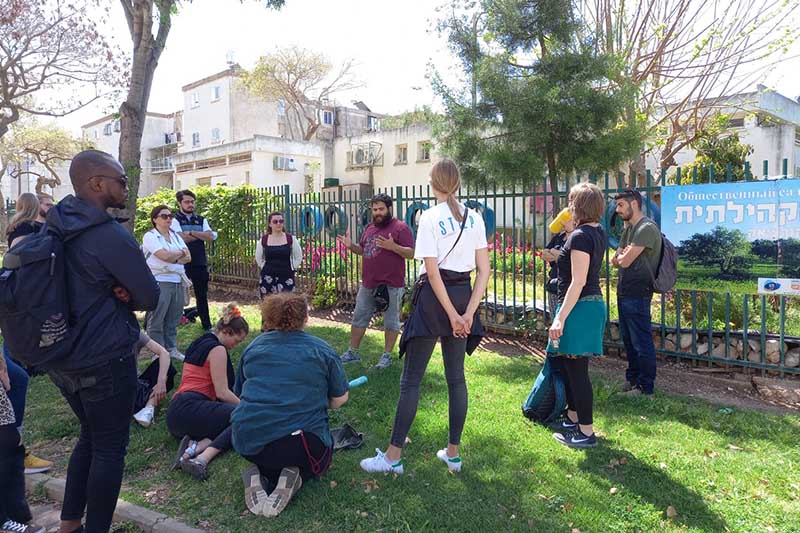
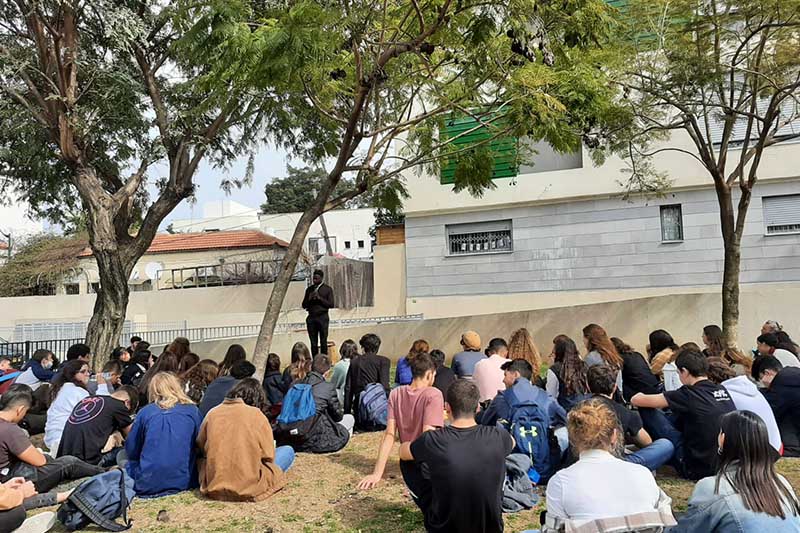
שכונת שפירא היא הרבה יותר משכונה גיאוגרפית; היא זירה חיה של מפגש בין קהילות, תרבויות ותפיסות עולם. הסיור מזמין את בני הנוער לצאת מהכיתה אל הרחוב כדי להבין מהו "צדק חברתי" לא כסיסמה, אלא כסט של דילמות יומיומיות. במציאות של פערים כלכליים וחברתיים מעמיקים, הסיור מאפשר למשתתפים לפתח רגישות חברתית, לבחון את המורכבות של חיים משותפים במרחב רב-תרבותי ולשאול שאלות על אחריות המדינה מול אחריות הקהילה. זהו שיעור אקטיבי באזרחות שבו המדרכה היא המורה והתושבים הם הסיפור.
הסיור בנוי כמהלך של גילוי וחשיפה לאוכלוסיות המגוונות המרכיבות את השכונה – ותיקים וצעירים, דתיים וחילוניים, ומהגרי עבודה לצד מבקשי מקלט. במהלך המסלול נעצור בנקודות מפתח בשכונה ונתמודד עם "מחלוקות בשטח" דרך תרגילי סימולוציה: נדון באתגרי הביטחון האישי והחינוך (כנופיית ה-SSQ), נבחן את סוגיית הגירוש מול זכויות אדם, ונעסוק במתחים שנוצרים סביב שינוי פני השכונה. השיא של הסיור הוא המעבר מזיהוי הבעיות להצעת פתרונות, כשהמשתתפים נדרשים "להיכנס לנעליים" של דמויות שונות בשכונה ולגבש יוזמות לחיים משותפים.
הסיור מונחה על ידי ערכי הסולידריות החברתית, תוך דגש על הכרת המורכבות של "האחר" וזניחת שיפוטיות שטחית. אנו מחנכים לאקטיביזם קהילתי, האמונה שלכל אחד יש יכולת להשפיע על סביבתו . ולרדיפת צדק חברתי, המכיר בזכותו של כל אדם למרחב חיים מכבד. המטרה היא שהמשתתפים יצאו מהסיור לא רק עם ידע על דרום תל אביב, אלא עם הבנה עמוקה של תפקידם כסוכני שינוי בחברה הישראלית.
Tour stops:
- Opening – We will get to know the neighborhood and the different communities that live there together. We will learn about the socio-economic situation in the neighborhood and the economic gaps that exist there. Together, we will define the concept of social justice as a concept through which we will examine the reality in the neighborhood throughout the day.
- The public garden – נכיר את המתחים החברתיים הקיימים בשכונה ונתרגל מציאת פתרונות מזוויות הסתכלות שונות.
- Central Station (nearby) – We will learn about the establishment of the central bus station and examine its impact on the surrounding neighborhoods. We will understand where and why foreigners (migrant workers, asylum seekers, etc.) came to Israel, and in particular to the neighborhoods of southern Tel Aviv. We will learn about the stories of the children of foreigners who grew up in Israel and do not have clear status here. We will examine the State of Israel's decision not to formulate a clear policy on this issue and ask how all this affects life in the neighborhood.
- Tel Hovaz – We will learn about community initiatives that address the economic situation and social tensions in the neighborhood. We will ask what responsibility the state has for the situation in the neighborhoods of south Tel Aviv and discuss various civic tools for changing reality—from community initiatives to social struggles that create a more democratic society in practice.
- Summary – We will connect what we saw during the tour of the neighborhood to our own lives and ask ourselves where we want to fight for a democratic and just society in our own lives.
** It is possible to arrange a meeting with a social activist from the neighborhood.